The Plastic
New (to me) Plastic
I basically work with two types of plastic, HDPE and PP. HDPE is High Density Polyethylene and PP Polypropylene. I use way more HDPE than PP. If you're not familiar with the resin recycling codes, here is an explanation. Mostly we see 1 thru 7 in our everyday lives. I use #2 and #5.
I aquire my material from several sources. The bulk of what I use comes from a local recycling center. I am able to get larger quantities of distinct colors from there. Most of it is in 5 gal jugs and agriculture crates.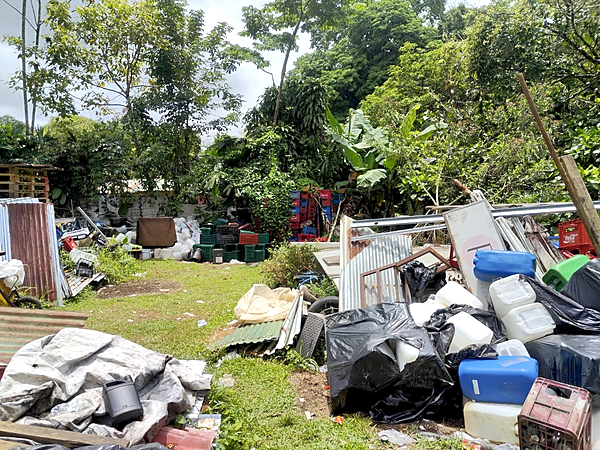 Those are not as time consuming to process as smaller items are. I also recieve plastic from neighbors, vendors at craft markets and friends. Most of this is in the form of 1 gal bottles and drink bottle caps. I also get bottle caps from cap collectors from various places. Bottle caps are very good to work with. Their main problem is collecting enough to make useful quantities.
Once I collect a useful quantity, it must be separated according to color and type. Mixing types is frowned upon because it makes recycling in the future more difficult. I do occasionally mix the two types but not often. My justifications are that the items I'm making are not single use items. They are meant to last forever. Also, the technologies for recycling are evolving in ways that separation will probably not be an issue in not-too-distant future. Chemical recycling will be the norm and that will revert plastics back to their initial ingredients that they were before becoming plastic. Basically oil. This can happen without having to clean and separate.
After I separate my plastics, I need to cut any larger pieces into smaller pieces that the shredder can handle. Usually into small squares about 2x2 inches. I do this with a bandsaw. I save as much of the sawdust as is practical for future use.
Then those pieces are cleaned. Very important step. I do this in a clothes washer which does a very good job of this. A side benefit of this is that it also does an excellent job of cleaning the washer.
Then everything needs to be dried completely. I use a large food dehydrator for this. My large buckets fit perfectly inside it. Each bucket full takes about 3 hours to fully dry.
Then it's off to the shredder which reduces the plastic to a fine granular state which will feed into the extruder for melting.
Lathe Shavings
The main by-product of turning is shavings. Lots and lots of shavings. These, of course, are re-proccessed for re-use. These consist of all the colors used in the piece they came from. I try to combine colors that will mix into something that isn't just grey when re-processed. Not always possible. one of the main differences between turning wood and turning plastic is that the shavings from wood are brittle and break into tiny pieces on their own. Plastic, not so. Shavings are loooong and very durable. single shavings can be many feet long and they all get tangled together on the floor.
These shavings need to be shredded again before they can be melted. If they are going to be melted in the extruder, they need to be shredded twice. If I'm going to melt them in the oven, once is usually enough. They need to be cut with scissors into manageable handfulls that will fit into the shredder
Thankfully, cleaning isn't necessary because it was all cleaned the first time around.